Navigating Legal Weed Canada: What the Market Looks Like in 2025
When Canada legalized cannabis for adult use in 2018, it felt like a door cracked open to a new industry. Seven years later, that door is wide open, but the path through it is not always simple. Whether you are a curious newcomer or someone who has been following the market since day one, understanding how legal weed Canada actually works on the ground takes more than just reading the headlines. It means knowing the rules, the players, and the real-world quirks that still shape how people buy and sell cannabis today.
The legal framework is built on the Cannabis Act, which sets federal rules for production and distribution while letting each province decide how to handle retail sales. That split has created a patchwork of systems. In Ontario, you can only buy recreational cannabis from stores licensed by the Alcohol and Gaming Commission of Ontario, and those stores must source their product through the Ontario Cannabis Store, the provincial wholesaler. British Columbia uses the BC Liquor Distribution Branch to manage wholesale distribution, but allows private stores to sell directly to consumers. Alberta went the other way entirely, with a fully private retail model and no provincial monopoly. The result is that buying legal weed Canada looks different depending on where you live.
The Major Producers Driving the Market
Behind every product on a dispensary shelf is a licensed producer who has gone through a rigorous approval process with Health Canada. The country’s biggest names include Aurora Cannabis, Tilray, Canopy Growth, and Hexo, each operating multiple facilities and supplying a wide range of flower, oils, and edibles. Cronos Group, another major player, has focused on both medical and recreational channels, while WeedMD (now part of a larger consolidation) carved out a reputation for value-oriented flower. Ogen, a premium brand from British Columbia, has built a following for its consistent quality and terpene profiles.
These companies do not just grow plants. They operate under strict Cannabis Compliance rules enforced by Health Canada, covering everything from security clearances for employees to testing protocols for contaminants. The compliance burden is significant, and it filters down to pricing. A gram of legal flower often costs more than what you might remember from the unregulated market, partly because producers have to pay for lab testing, packaging regulations, and the Excise Tax applied at the federal level.
Where People Actually Buy
Retail channels have evolved quickly. In addition to provincial store networks like the Ontario Cannabis Store’s online portal, private retailers have popped up on nearly every main street. Shoppers Drug Mart made an unexpected entry into the space by opening a handful of medical cannabis counters and later expanding into recreational sales through a partnership with a licensed producer. That move signaled just how mainstream cannabis had become. Even so, the shopping experience varies. Some stores feel like boutique apothecaries, with staff who can explain the difference between indica and sativa or help you choose a CBD-dominant product for daytime use. Others are more transactional, built for speed and volume.
Online shopping has grown steadily, especially since the pandemic normalized home delivery. Most provincial retailers offer e-commerce, and private stores in provinces like Alberta and British Columbia have built their own digital storefronts. The convenience is real, but so is the friction. Age verification at checkout, delivery windows, and signature requirements mean that ordering cannabis online still takes more steps than buying a book.
The Evolution of Product Choices
In the early days of legalization, the selection was limited. Most stores carried a handful of dried flower options and maybe one or two oil tinctures. That has changed dramatically. Today, consumers can find everything from high-THC strains for experienced users to balanced hybrids and CBD-rich options for people who want the therapeutic benefits without the intensity. Edibles have become a category of their own, with gummies, chocolates, and beverages that offer precise dosing and predictable effects.
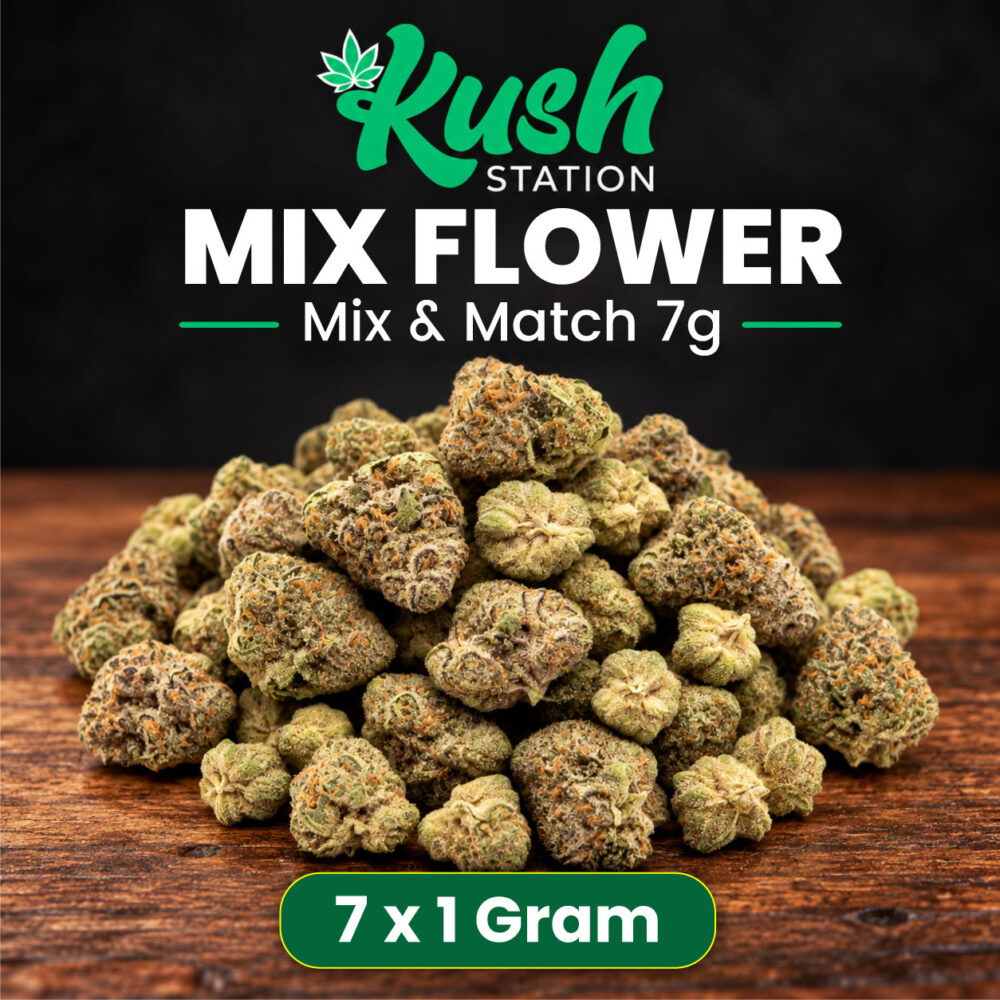
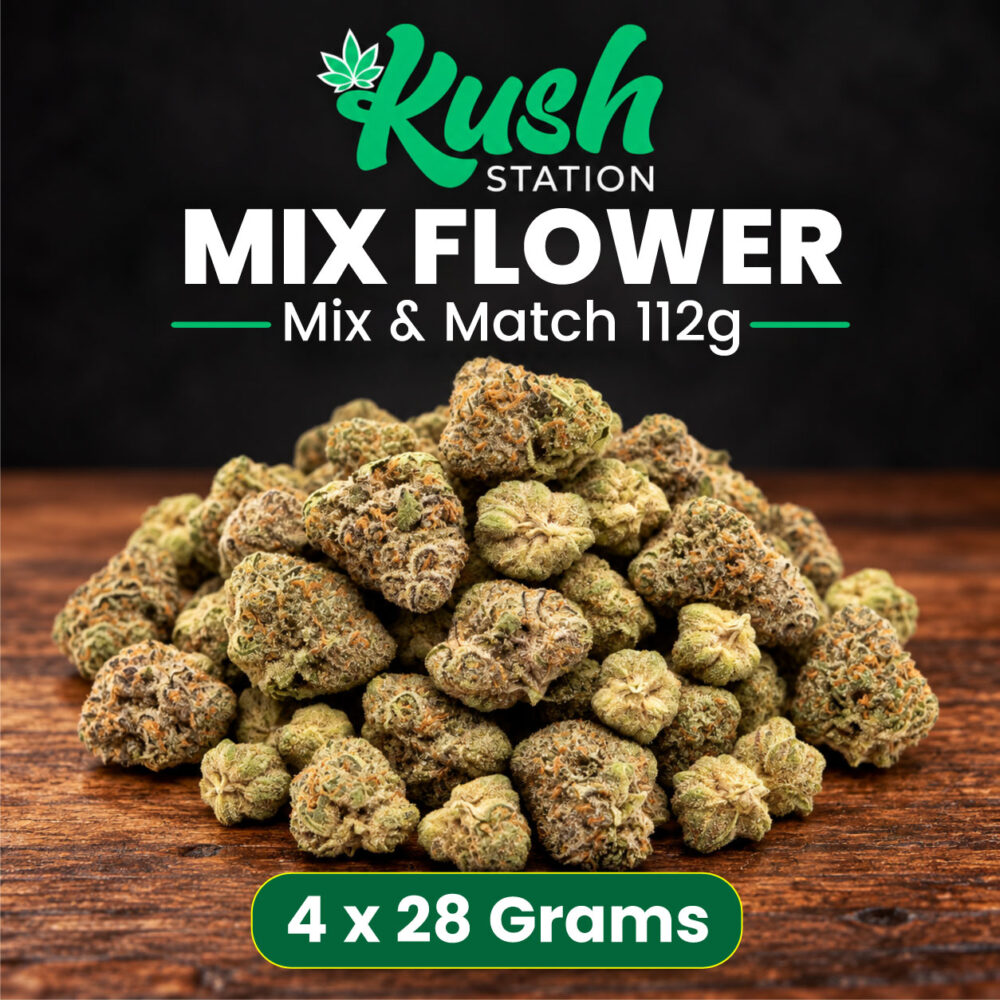
One of the most telling signs of market maturity is the rise of mix and match bundles. Instead of committing to a single strain, buyers can choose a selection of three, five, or even ten grams from different producers, sampling a range of flavors and effects. This approach suits the curious consumer who wants to explore without overcommitting. It also reflects a broader trend toward personalization in the legal market.
What the Data Shows
The Canadian Cannabis Survey, conducted regularly by Statistics Canada, tracks consumption patterns, attitudes, and purchasing behavior nationwide. The most recent data shows that the majority of cannabis users now buy from legal sources, a reversal from the early years when the black market still held a large share. Price remains the main reason people give for not buying legal. But as production efficiencies improve and more producers enter the market, the gap is narrowing.
The survey also highlights a shift in how people think about cannabis. Fewer users see it primarily as a recreational drug. Many report using it for sleep, anxiety, or chronic pain. That medical framing has helped normalize the conversation and encouraged retailers to offer more educational content alongside their products. Staff training programs, sometimes called Cannabis Compliance education, teach retail workers how to answer questions about dosage, interactions, and responsible use.
Understanding the legal landscape around legal weed Canada also means knowing where the rules still create friction. For example, the federal Excise Tax applies to all cannabis products, adding a layer of cost that does not exist for alcohol or tobacco. Some provinces have additional markups. Ontario applies a 13 percent harmonized sales tax on top of the purchase price, while Alberta does not charge provincial sales tax but lets retailers set their own margins. These differences add up, and they explain why a product might cost noticeably more in one province than another.
Licensing and the Path Forward
For anyone thinking about entering the industry as a producer or retailer, the first step is obtaining a Cannabis License from Health Canada. The application process is detailed and can take months. Applicants must submit security plans, facility blueprints, and proof of local zoning compliance. The cost of applying, combined with the uncertainty of approval, has kept many small players out. That is one reason the market is dominated by large companies like Aurora Cannabis and Tilray, which have the resources to navigate the bureaucracy.
Retail licensing is handled at the provincial level and varies widely. In Ontario, the Alcohol and Gaming Commission of Ontario awards retail licenses through a lottery system that has been criticized for being slow and opaque. British Columbia uses a more straightforward application process but caps the number of stores per municipality. Alberta has no cap, which is why you see cannabis stores on nearly every corner in Edmonton and Calgary. Each model has trade-offs. Regulation protects consumers and ensures product safety, but it also limits competition and keeps prices higher than they might otherwise be.
Looking ahead, the industry is likely to see further consolidation. The number of licensed producers has already shrunk as smaller operations failed to compete with the scale of the big players. At the same time, new product formats and retail models are emerging. Some producers are experimenting with cannabis-infused beverages that mimic the alcohol experience without the hangover. Others are developing topical creams and patches for targeted relief. The legal market is still young, and the pace of change is accelerating.
Practical Advice for Buyers
If you are buying legal weed Canada for the first time, a few things are worth knowing. Start with a low dose, especially if you are trying an edible or a concentrate. The effects take longer to appear and can be stronger than you expect. Ask the store staff about the producer and the harvest date. Fresher flower generally has better flavor and potency. And do not be afraid to try a mix and match bundle if your local store offers one. It is the best way to find what works for you without committing to a large quantity of something you might not enjoy.
Another tip is to check the label for third-party testing information. Reputable producers send samples to independent labs and publish the results, including THC and CBD percentages, as well as terpene profiles. That kind of transparency is one of the advantages of buying legal. You know exactly what you are getting, and you can compare products with confidence.
The legal market in Canada is not perfect. It is still finding its footing, adjusting to consumer needs, and wrestling with the legacy of prohibition. But for the average buyer, it offers a level of safety, consistency, and choice that did not exist a decade ago. As the industry matures and more people experience what legal weed Canada has to offer, the conversation is shifting from whether it should be legal to how to make it work better for everyone.